
August 11, 2026
“The prototypes you created for us for our research in the spring were extremely well received and we’re moving forward quickly to actually develop several of the products that came out of the research. Prototyping for the win!”
This is the kind of feedback we love to hear. Not only does it feel good, but it proves what we always say: physical packaging prototypes deliver unique insights you simply can’t get anywhere else.
But all too often, they’re an easy line item to eliminate when timelines are tight and budgets are fixed. The key is to know when prototypes are worth the investment, based on what kind of learnings are most valuable to the business.
So just when are packaging prototypes worth it? Here’s when they consistently prove their value, and when skipping them tends to cost more than the prototypes ever would have. We’d love to hear when you’ve found them essential.
1. When you’re evaluating color on a new substrate or format.
In a recent conversation with a brand known for its dramatic, single-color packaging, we heard a horror story (to us, anyway). To introduce a new variety, the team had selected a deep green that looked rich and premium in digital representations and tested well with consumers. They went so far as to manufacture several thousand packages for a first run, only to find that on store shelves, the color went muddy and the packaging became recessive. Not at all the result the brand wanted, and all the product had to be pulled, at great expense. Early packaging prototypes would’ve flagged this immediately, allowing color adjustments that would’ve saved significant time, money, and headaches.
2. When you’re exploring specialty finishes.
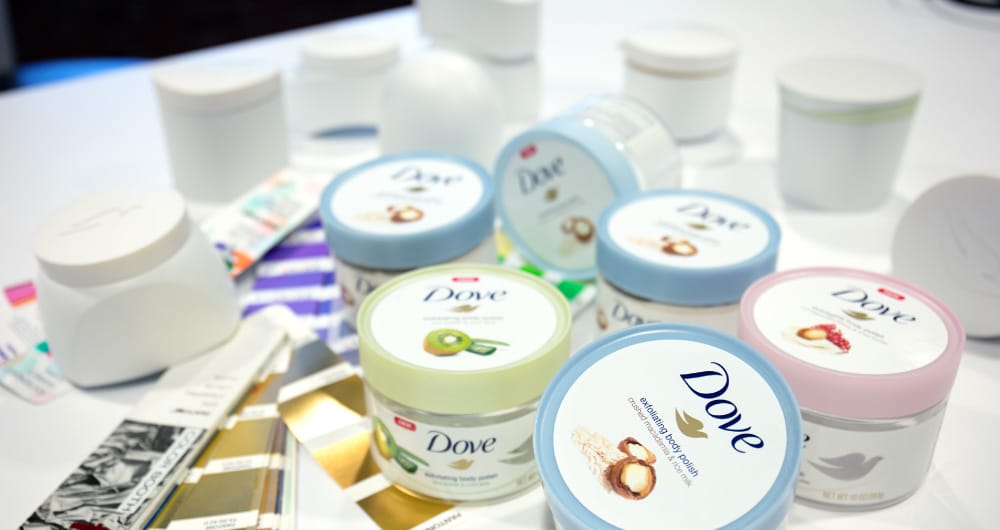
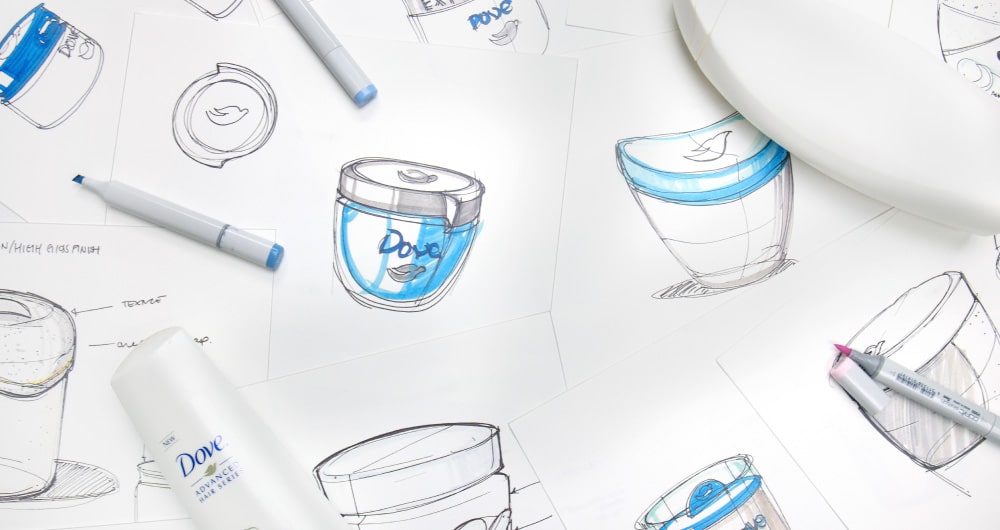
This is one of the most rewarding applications of packaging mockups. A client recently shared that they like to make several different prototypes of the same package design, each with a different finish — one with a foil logo, one with spot treatments on the ingredients, one with metallic accents. Seeing them together makes the decision obvious in a way a screen never could. Kaleidoscope is uniquely suited to these projects because we have so many print and finish capabilities in-house, and the experimentation is our favorite part.
3. When you’re changing how a package functions.
Any time you’re updating structure, especially if it requires consumer education, it’s worth building prototypes to be certain the new operation and messaging are clear. We’ve tested packaging with what we assumed had obvious entry points, only to find that consumers could not locate them and ended up tearing the package apart in unintended ways, ruining the careful design. A structure that isn’t intuitive can wreck a product’s usefulness and create consumer frustration, damaging brand equity in the process. The risk isn’t worth it when prototypes can provide early insights on potential friction points.
4. When you’re taking an innovation into consumer research.
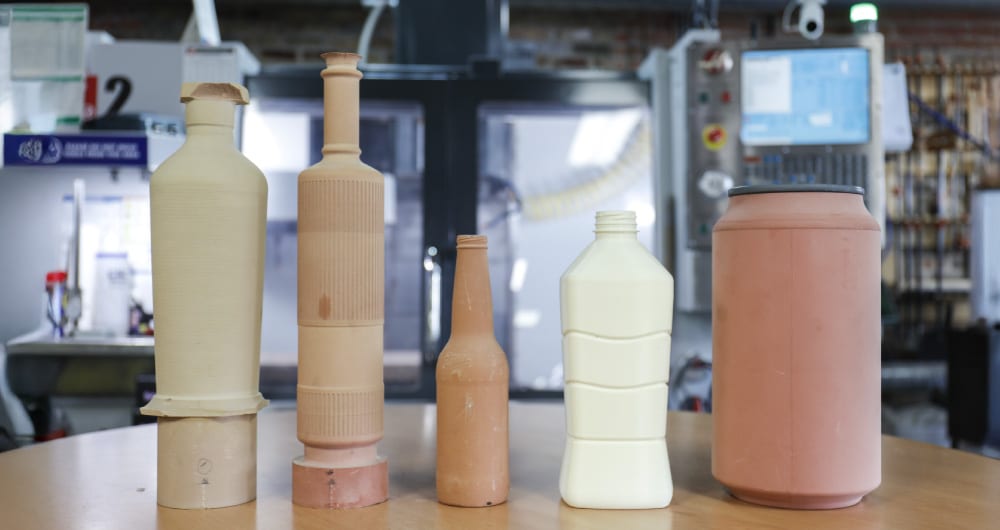
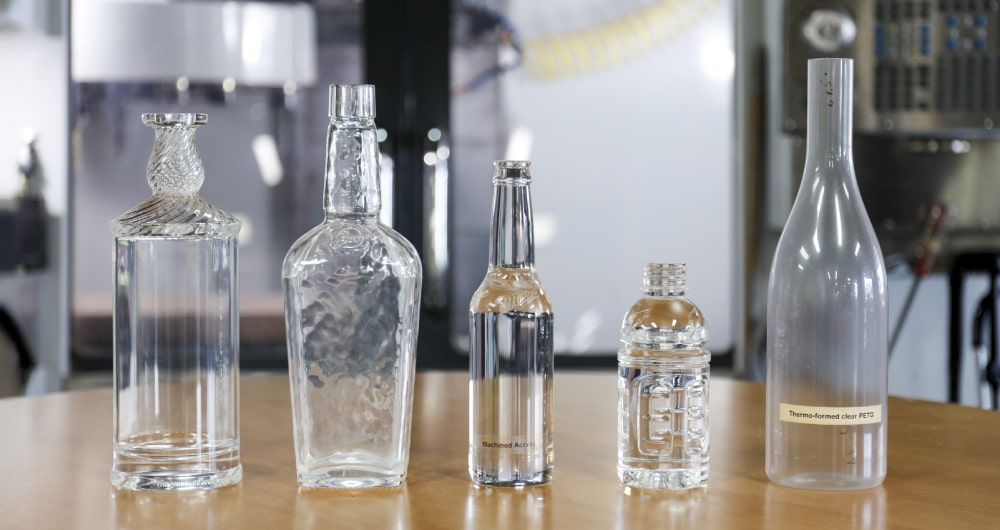
Packaging prototypes change the quality of feedback you get. Consumers respond differently when they can hold something, open it, and experience it the way they would in real life. Digital representations can introduce bias because people react to what something looks like, not how it actually performs. If the research is important enough to invest in, the prototypes that make it more accurate are worth the investment too.
Why Packaging Prototypes Belong in Every Budget
Early prototyping has so many benefits, it’s worth building the cost into your budget from the beginning. Evaluating packaging on screen will never be the same as holding it in your hands, seeing it in real retail environments, and opening it as your audience would. Prototypes align teams, build confidence, suggest optimizations, accelerate decision making, and perhaps most importantly, help uncover problems before they become expensive to correct.