October 6, 2026
There’s a moment in almost every CPG packaging design and development project where the question of whether to use digital renders or packaging prototypes for validation comes up.
The answer is that it’s not an either/or equation — they do different jobs and answer different questions.
Digital renderings are incredibly useful. We create and use them all the time. They’re essential for exploration, early concepting, comparison, iteration, and e-commerce — and digital output has never been more realistic. But a render asks the audience to interpret a representation of an idea. A prototype removes that burden entirely.
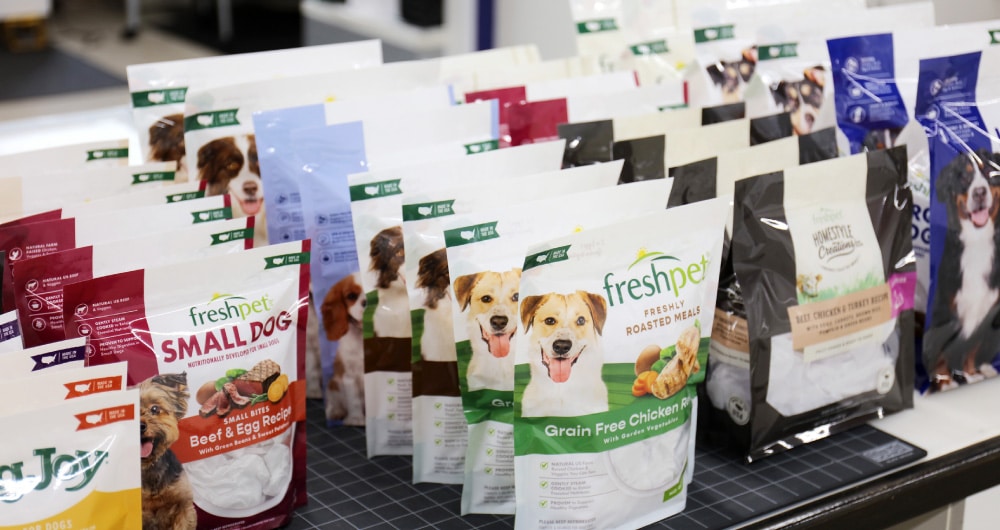
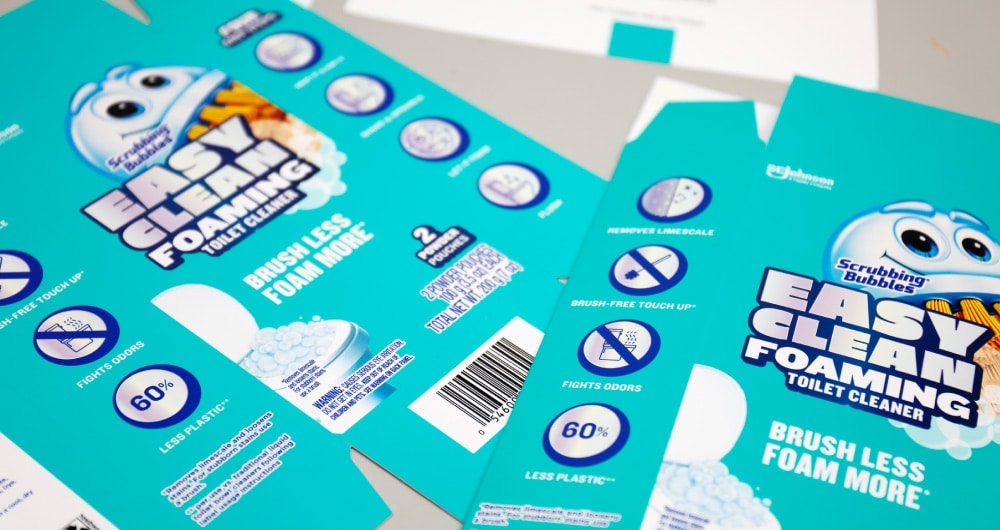
In our experience, prototypes accomplish three things that renders cannot.
Persuasion
There is a big difference between showing someone an image and putting something in their hands. With a prototype, executives, retail buyers, consumers, and sales teams can experience a physical object rather than interpret a representation of one. For innovative or unfamiliar ideas, this distinction matters more than most teams expect. Prototypes remove the burden of imagination from the audience.
Alignment
Because physical objects don’t require people to fill in their own blanks, the debate over the idea itself becomes clearer. Everyone is reacting to the same tangible thing, not a theoretical version of it. Prototypes aren’t just validation tools, they’re a means to accelerate decisions. The right prototype at the right moment can compress weeks of debate into a single review.
Confidence
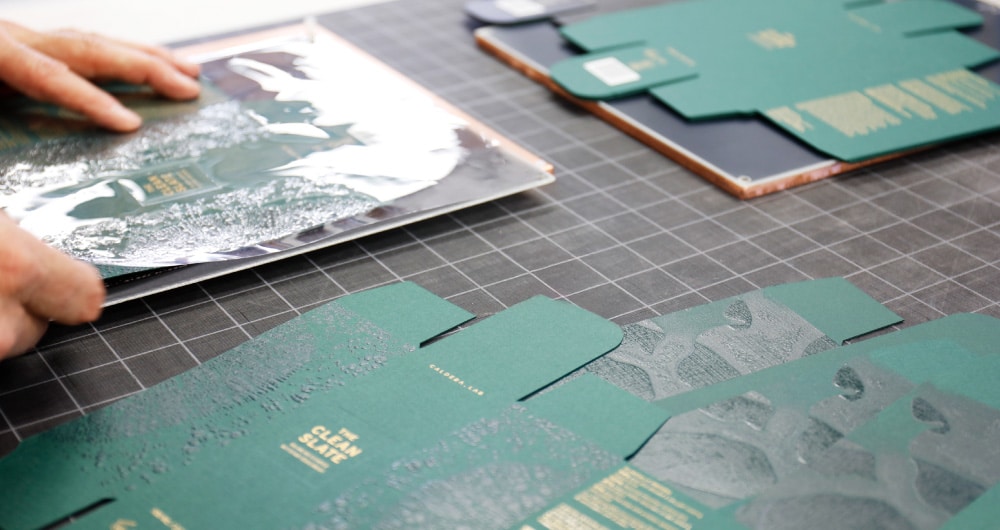
Prototypes start answering questions that digital output simply cannot. Does the color or finish create the intended effect? Does the structure feel premium, playful, substantial, or disruptive? What happens when several SKUs sit together at shelf? Does the design hold the same impact from six feet away as it does on a monitor?
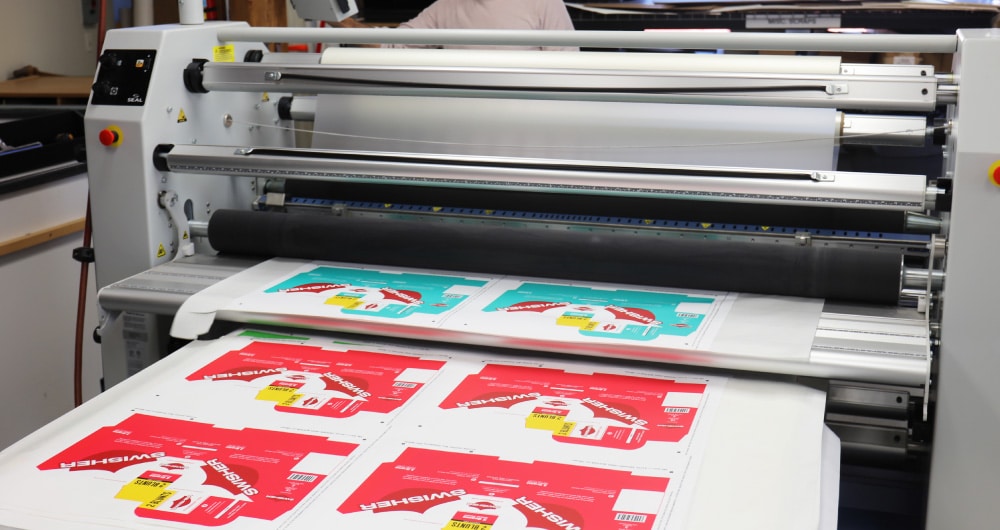
The Best Time to Use Packaging Prototypes for Validation
The truth is that the best time to prototype isn’t after everyone agrees on a concept. It’s when there is still something meaningful to learn. Sometimes a prototype reveals that an idea isn’t quite ready, and finding that out before commercialization is far less costly than discovering it afterward.
Digital renders have their own use cases, but when a concept needs to earn market-ready conviction, there are things only a physical prototype can prove. The future isn’t digital or physical, it’s both. Consumers are proving that even as digital tools improve, the desire for real-life experiences is only increasing. Which is why knowing whether an idea has the strength to move people in person is more important than ever.
If you’re still debating between renders and prototypes to support concept validation, think of it this way: great packaging isn’t finished when the design is approved. It’s finished when the intended experience has been proven in the real world. The render gets you to approval. The prototype gets you to conviction.