October 20, 2026
In packaging prototyping, the calendar rarely cooperates. A film shoot gets moved up, a buyer presentation lands on next Tuesday, a prototype concept review gets added to Friday’s agenda, and a sales sample rollout needs units in hand before the concept is fully dry. The pace of this business is relentless, and the margin for error shrinks in direct proportion to how close the deadline gets.
The common assumption is that speed and craftsmanship pull in opposite directions: that if you go faster, the details start to slip. At Kaleidoscope, our prototyping team has built its reputation on proving that assumption wrong. We move fast because of how carefully we work, not in spite of it.
Speed starts before anyone picks up a tool
Every fast project we deliver starts with clear, timely communication from our Client Service Managers to our clients, and from our CSMs to the production team.
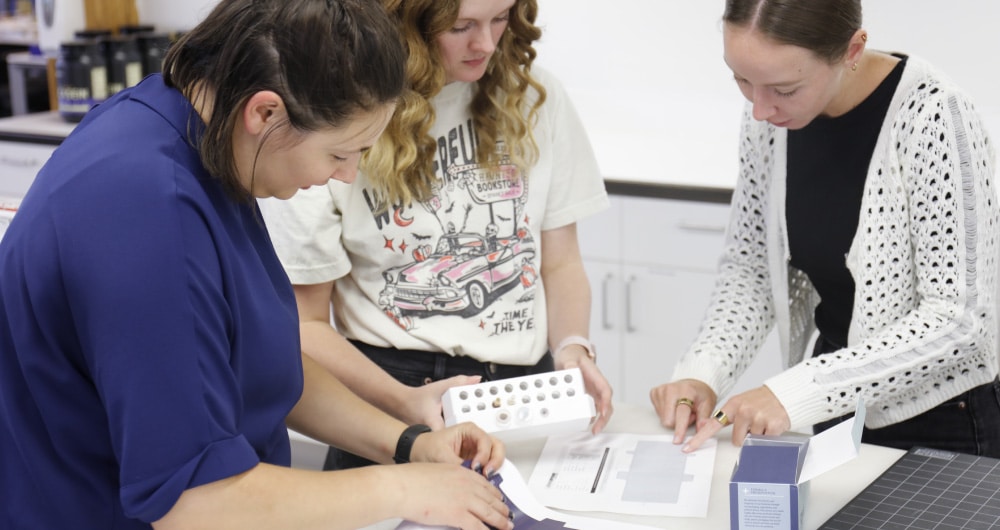
That’s why every project, without exception, begins with a kickoff meeting. CSMs come prepared with every detail in hand, and together we confirm that the engineering is correct, the ticket is accurate, the budget is sufficient, and the client’s expectations are fully understood before a single tool is picked up. It can feel like a pause at the start of a tight timeline, but in practice it’s the single biggest time-saver we have. An hour spent getting it right up front beats a day spent rebuilding something that was wrong from the start, and on a compressed timeline a day is something neither we nor our clients can afford to lose.
Speed starts before anyone picks up a tool
Every fast project we deliver starts with clear, timely communication from our Client Service Managers to our clients, and from our CSMs to the production team.
That’s why every project, without exception, begins with a kickoff meeting. CSMs come prepared with every detail in hand, and together we confirm that the engineering is correct, the ticket is accurate, the budget is sufficient, and the client’s expectations are fully understood before a single tool is picked up. It can feel like a pause at the start of a tight timeline, but in practice it’s the single biggest time-saver we have. A quick meeting getting it right up front beats a day spent rebuilding something that was wrong from the start, and on a compressed timeline a day is something neither we nor our clients can afford to lose.
The process works, so we follow it
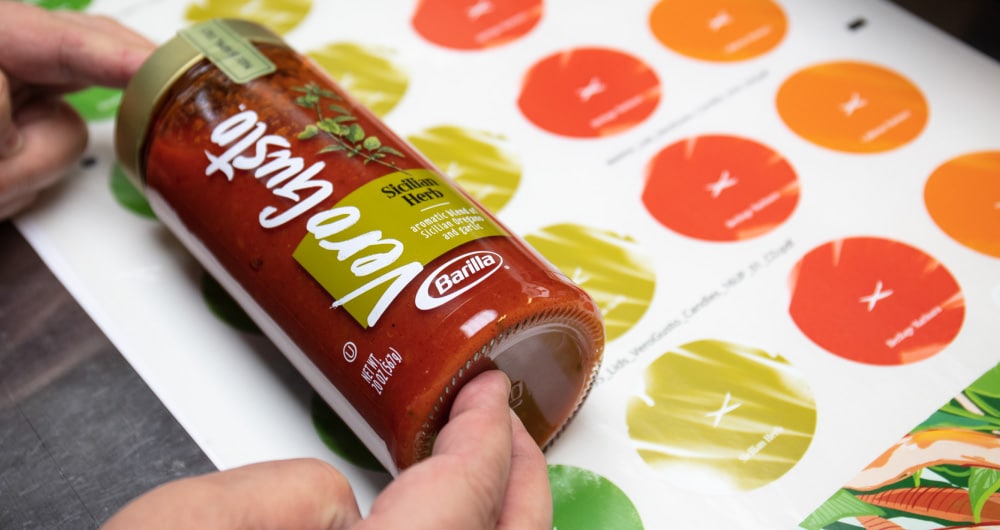
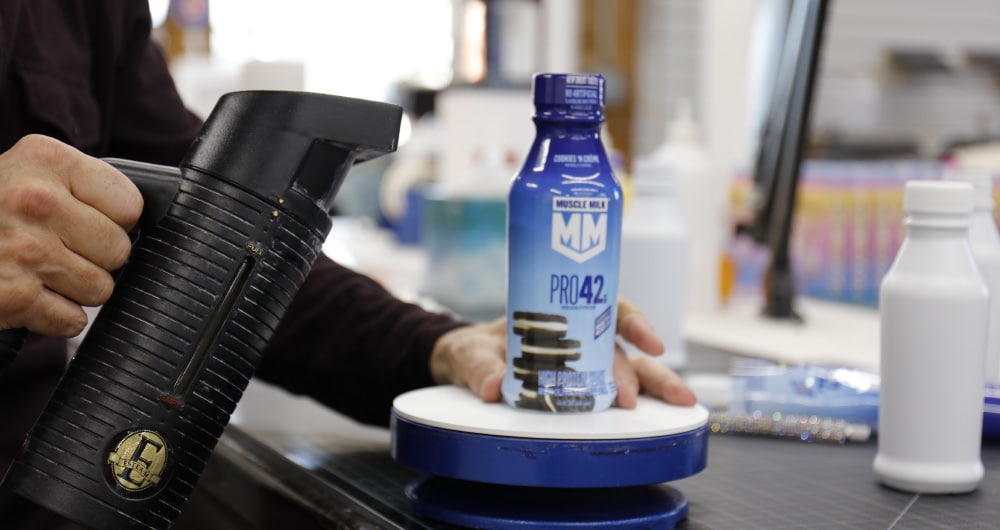
Once a project moves into production, our team makes it happen without sidestepping our QC process. Not when the deadline is tight or when the shortcut looks harmless. The process exists because it works, and part of that process is knowing when to stop. If client art looks wrong, if a detail was missed, if a color looks off, the team stops and gets approval before moving forward.
A quick question mid-build costs minutes. A wrong prototype on a film set costs the shoot day, the rebuild, and often far more than that in the client relationship. The stakes are too high to treat QC as something that bends when the schedule gets tight.
Built on people who care about the details
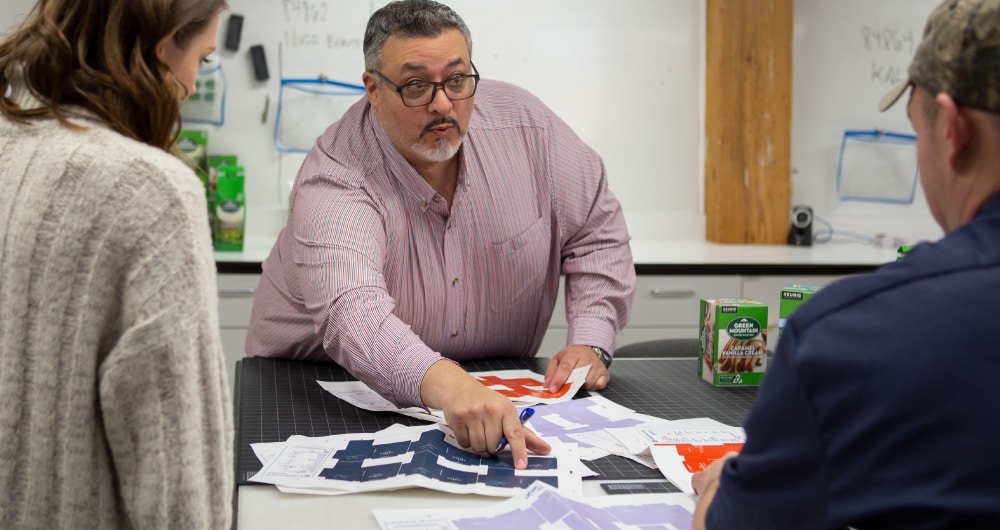
Process alone doesn’t make a great prototype, and we’ve never believed otherwise. What makes the difference is the people, specifically the teamwork and peer accountability that runs through everything we do, where everyone on the floor holds themselves and each other to the same standard regardless of the pressure bearing down on a given project.
At the heart of that standard is the expertise of our veterans, who bring a depth of creative problem-solving and engineering knowledge that only comes from years of doing the work. When a structure won’t fold the way the concept imagined, or a material behaves differently than expected, they find the answer and they find it fast. That experience can’t be rushed or shortcut. It’s earned over years and thousands of builds, and it shows up in every piece that leaves our shop.
Trust makes us faster
Consistent speed and craftsmanship also come from deep brand understanding. The longer we work with a client, the better we know their standards, their materials, their colors, and what right looks like to them. Which means questions get answered faster, expectations are clearer, and fewer things are left to interpretation when the window is narrow.
Those partnerships are what make the real difference when time is short, whether it’s a rapidly approaching film shoot, a critical leadership presentation, or a sales sample rollout with a hard ship date. The trust we’ve built over years of working together is, in many ways, the fastest tool we have.
That said, long-term relationships aren’t a prerequisite for great work. For new clients, the same discipline — clear communication, thorough kickoffs, and a team that knows how to ask the right questions early — is exactly what ensures a first project lands right and on time.
How we’re built
When the calendar compresses and the stakes are high, the question isn’t whether we can move fast. It’s whether the work will be right when it arrives.
Clear communication, a kickoff on every project, a QC process we never sidestep, experts who trust their instincts, and partnerships built on years of mutual understanding. None of it is a special effort we reserve for tight timelines. It’s simply how we work.