September 22, 2026
When it comes to CPG packaging, intention matters —and there are two kinds that have to survive the leap from concept to shelf.
Structural intent is how we want a package to function during use. Graphic intent relates to what we want consumers to see, understand, and feel when they encounter it. Both have to survive commercialization with the brand expression intact. And that is where even the best intentions can fail.
When the Artwork Is Perfect but the Intent Is Lost
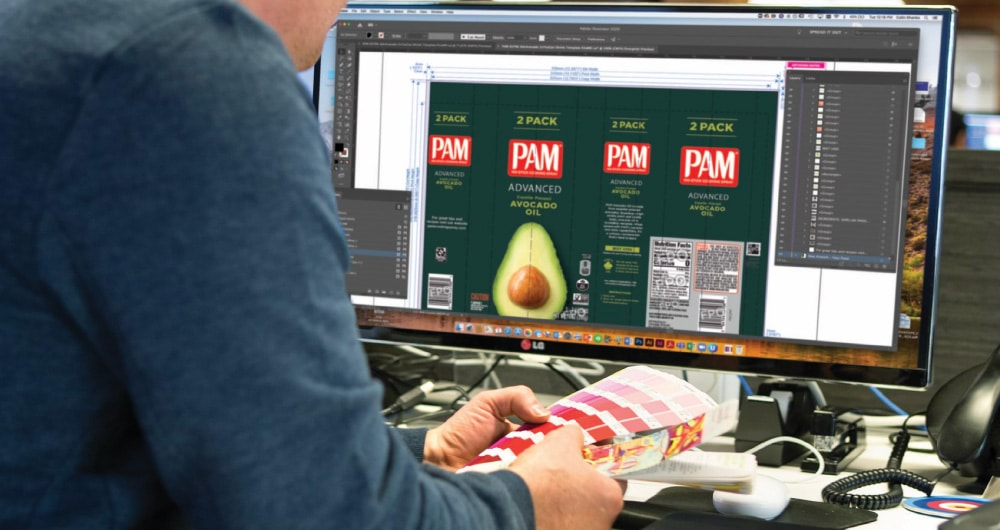
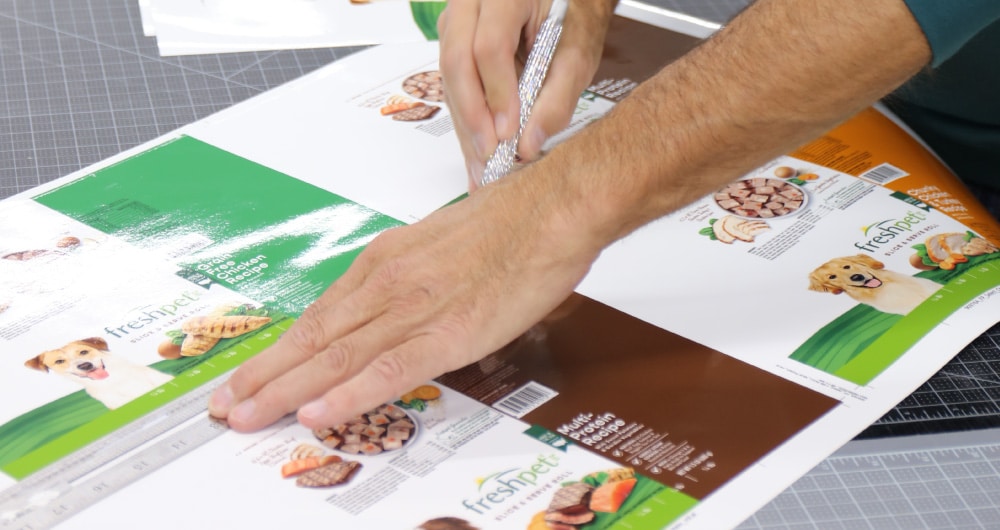
A flat artwork file is easy to approve, even if the intended experience hasn’t yet been proven. Design teams can create premium effects through color, accents, finishes, contrast, spot treatments, illustrative typography, or a tightly crafted visual hierarchy. But when those elements move from screen to printed package, then into a crowded retail environment, the result may not feel premium at all.
The color may reproduce differently. The effects may be weaker than expected. Small type may disappear; expressive fonts may be unreadable. The package may recede against others on shelf.
In other words: the artwork may be perfect, but the intent has been lost.
Market Readiness Is a Design Discipline
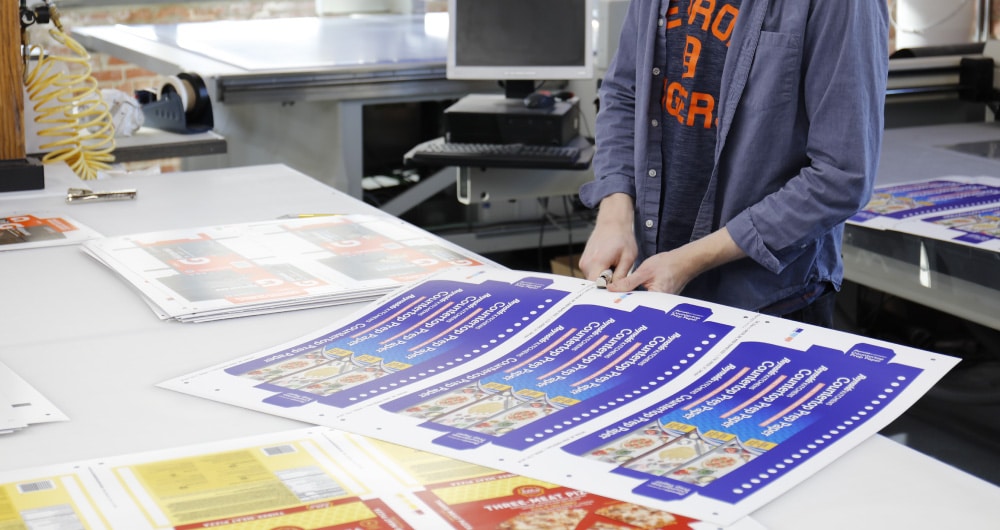
This is why market readiness is a design discipline in and of itself, not something to be considered once a design is already locked. And it’s why prototyping is so relevant to evaluation.
Market readiness means protecting design intent as a concept becomes a real package. That requires a team that understands how graphic packaging design physically manifests—and prioritizes validation throughout the process.
Approval Is Not the Same as Validation
Approval means the file looks right. Validation means the experience works.
Consumer research (qualitative or quantitative, including AI-enabled pack design evaluation) can help teams understand whether an idea communicates, resonates, and performs. Physical prototyping answers another important question: does the execution actually deliver the experience we intended?
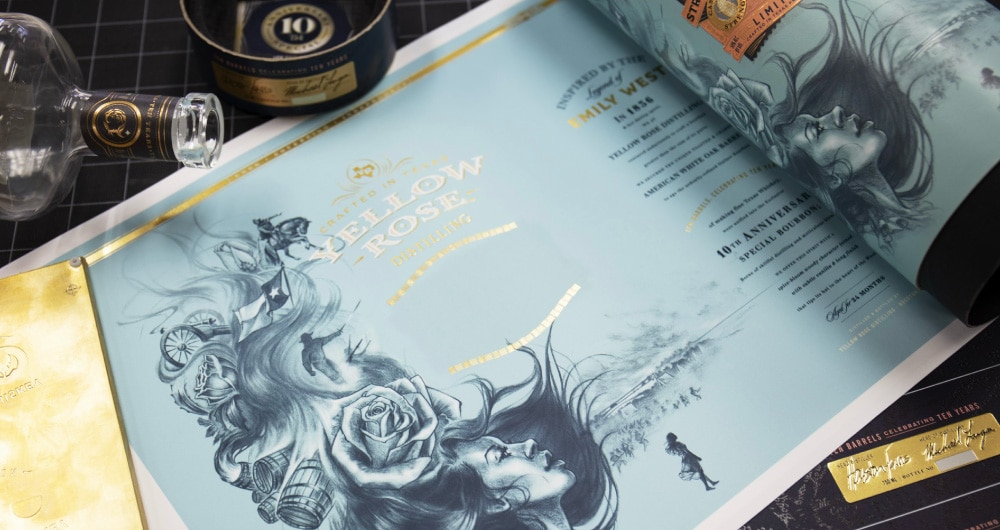
High-fidelity prototypes allow teams to evaluate packaging as an object and a market experience, rather than simply reviewing PDFs, renders, colors, or isolated press samples. The goal is to protect creative ambition through commercialization—not constrain it.

Protecting Intent Through Commercialization
Integrating design and prototyping to preserve design intent has many benefits, but the biggest may be ensuring that the final experience delivers on the brand’s promise (and the product’s purpose) in the consumer’s life.
That’s not something you can evaluate only at the end of a packaging design project. And it’s not something you can easily fix once the package is on shelf.
Market Readiness Begins at the Brief
Market readiness begins with the earliest design decisions, because making sure an idea works in the real world as intended isn’t an afterthought to good design.
It’s part of what makes the design strong to begin with.