November 3, 2026
It’s not easy to summarize Pack Expo. It’s five full days of thousands of exhibitors, hundreds of conversations, dozens of talks, a lot of handshakes, and way too many steps. So many steps. At least when it’s in Chicago, you can catch a lake breeze after strolling through the Reusable Packaging Pavilion (which is just one small part of five full buildings of exhibits).
It’s fitting that this year’s Pack Expo took place within sight of a Great Lake. Because that’s what we really took away from the show: a sense of scale.
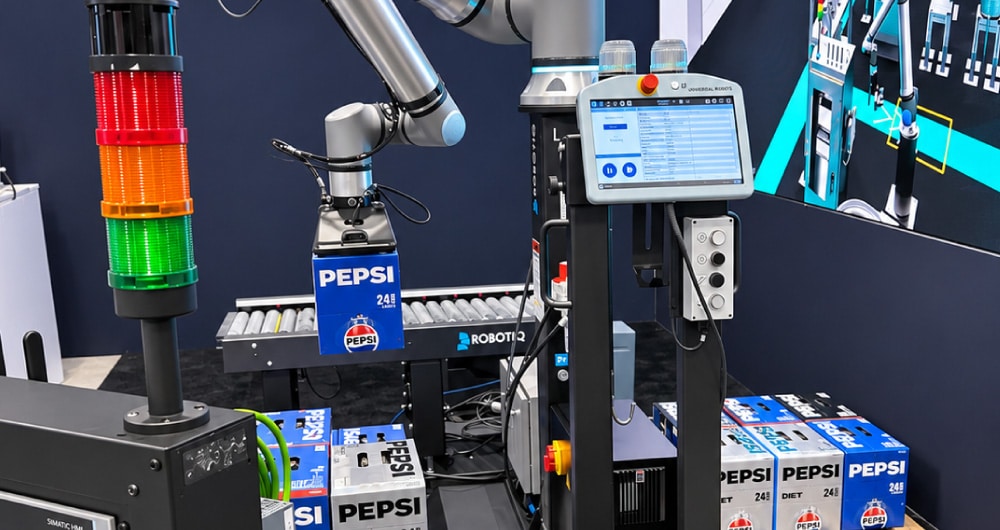
The vast magnitude of our industry, and what it actually takes to get a single bottle, tube, can, carton, pouch, or other piece of packaging off a line and into the world. The steps involved are numerous, and the inventive, industrious people behind them too many to count. Yes, AI was certainly present, but people are still what moves CPG.
No Step Happens in Isolation
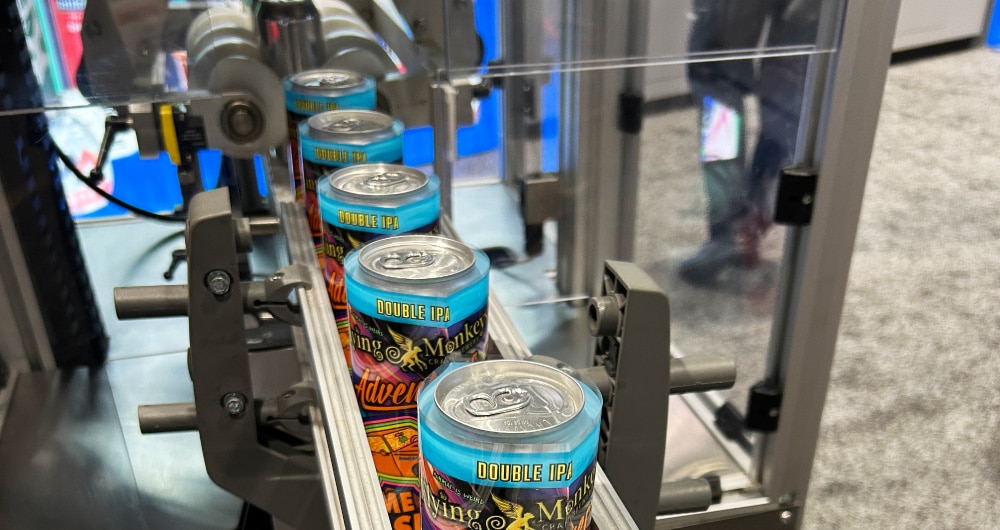
And just as we observed on so many of the machines at the show, one action leads to another. No step happens in isolation. Materials, machinery, suppliers, designers, manufacturers, brands, and retailers are all part of an intricate ecosystem in which every decision has implications beyond its immediate purpose.
It’s all connected.
Connection Brings Responsibility
And with connectedness comes responsibility. EPR (Extended Producer Responsibility) was a major topic at the show, with standing-room-only sessions that reflect how much attention the issue is commanding. As more states introduce packaging EPR requirements, producers face an increasingly complex patchwork of regulations, obligations, and costs. What happens at one stage of the packaging lifecycle has consequences for the next, and responsibility doesn’t end when a package leaves the production line.
Connectedness also relates to innovation. Just as products need ingredients and companies need co-mans, ideas need doers. Not just one doer, but a whole network of them. There were so many ingenious new ways of moving our industry forward on display, from software to automation to robotics, materials, and manufacturing processes. But having an innovative idea is one thing; knowing how to make it real is another.
It takes strategy, foresight, and discernment to know who to engage, when, and how. It takes a team working toward a shared goal, with each player understanding their role and responsibility. To turn something you can’t touch into something you can takes more than inspiration. It takes a network of people who know how to make things happen.
It All Ends With The Consumer
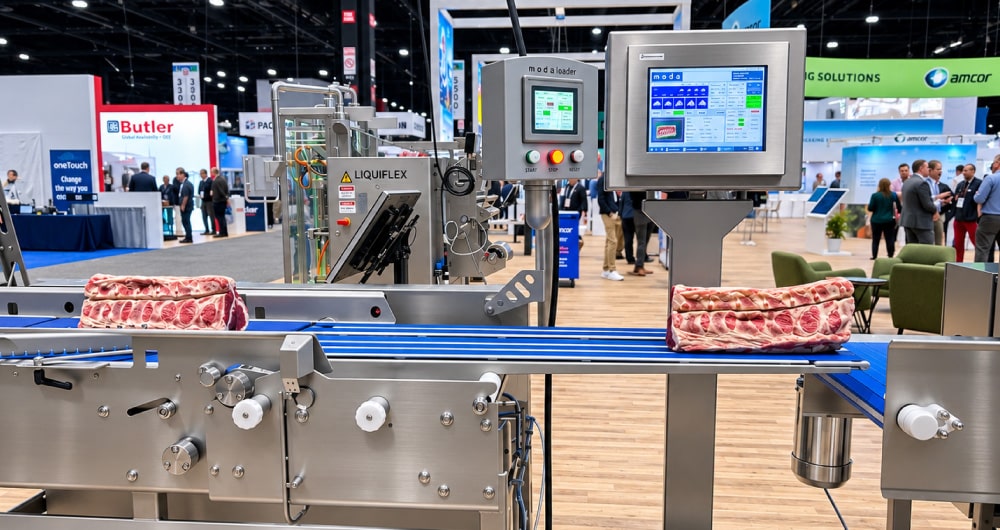
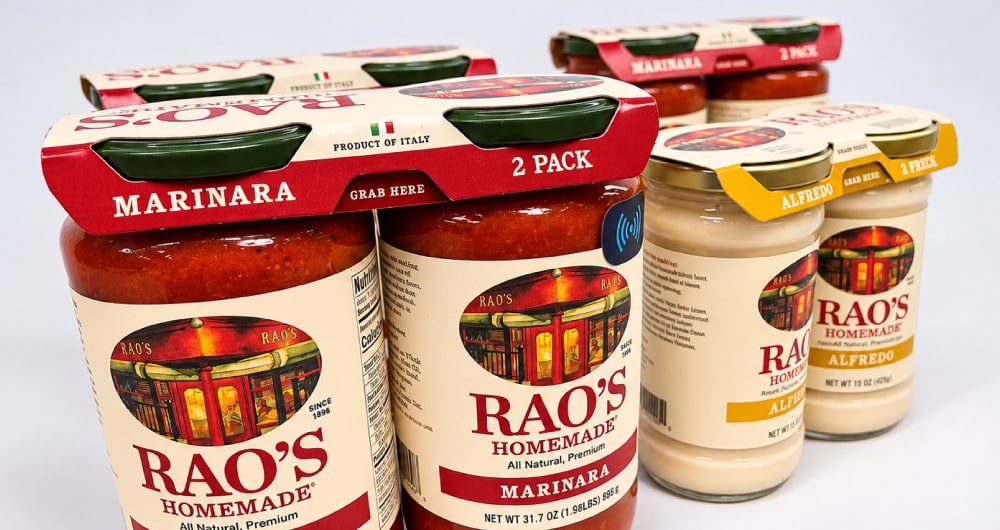
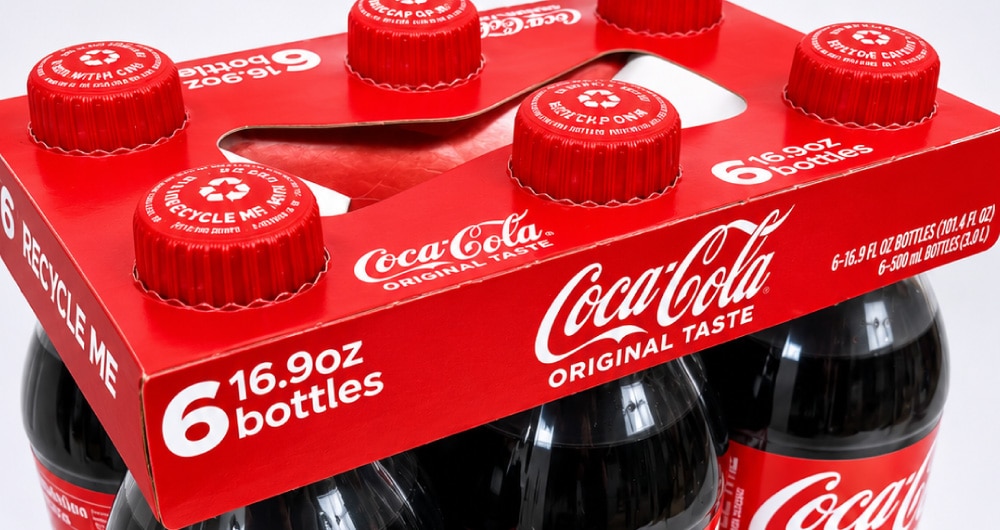
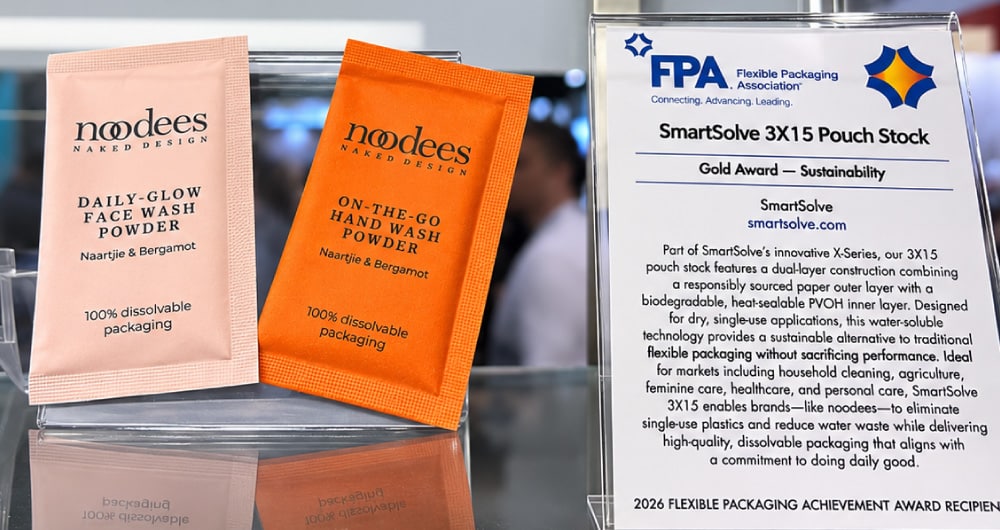
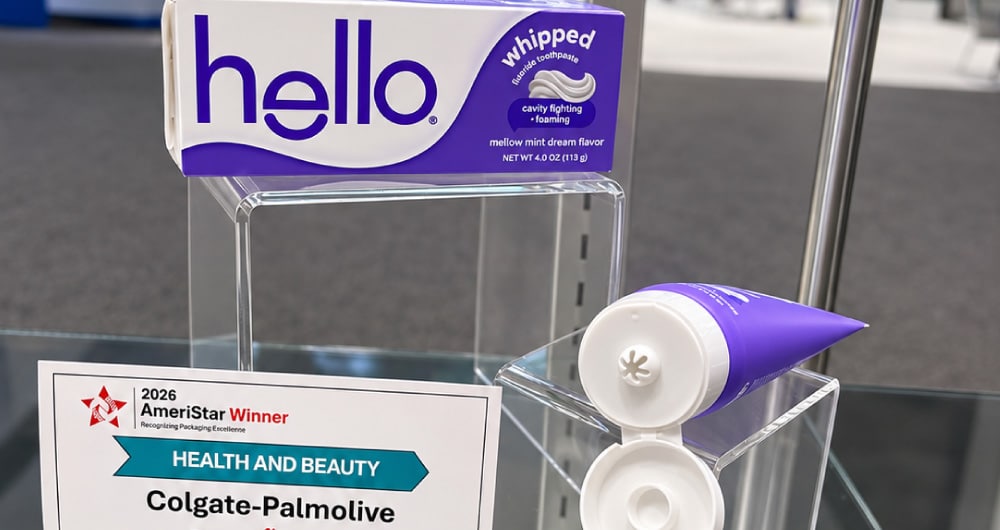
Where does connectedness finally bring us? To consumers, of course. What happens behind the scenes ultimately affects what ends up in their hands and homes. Whether we’re exploring a machine that applies can shrink sleeves faster than ever, a safer way to package and process meat, or hand soap packaging that dissolves in water, the innovations we pursue should ultimately make something better for people.
Of course, progress is rarely straightforward. Greater efficiency doesn’t always mean greater sustainability. A technically ingenious solution isn’t necessarily a commercially viable one. And just because we can make something doesn’t always mean we should.
But that’s precisely why connectedness matters. Every advancement asks us to consider not only what’s possible, but what’s practical, responsible, and valuable. Our industry is in service of people and the things they need, use, and consume. That’s both a great opportunity and a real responsibility.
Small Things Still Matter
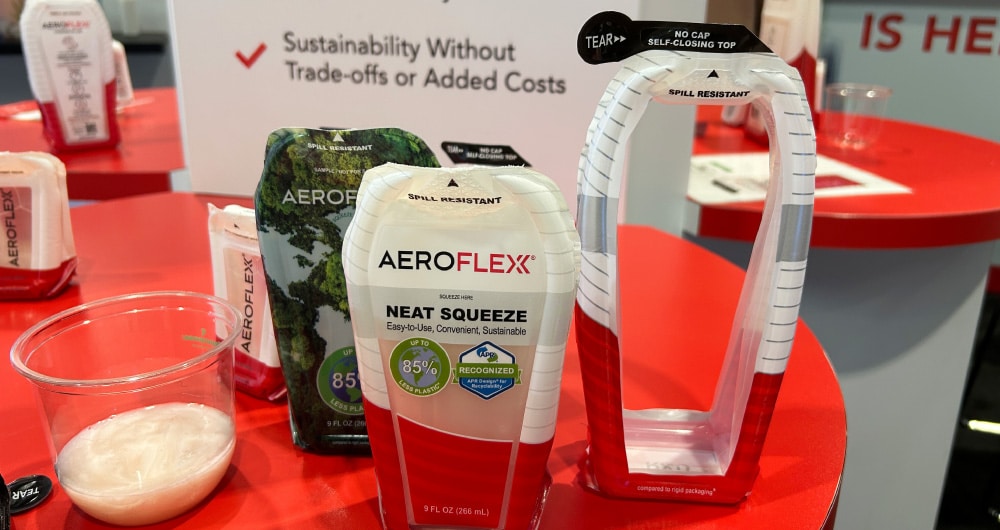
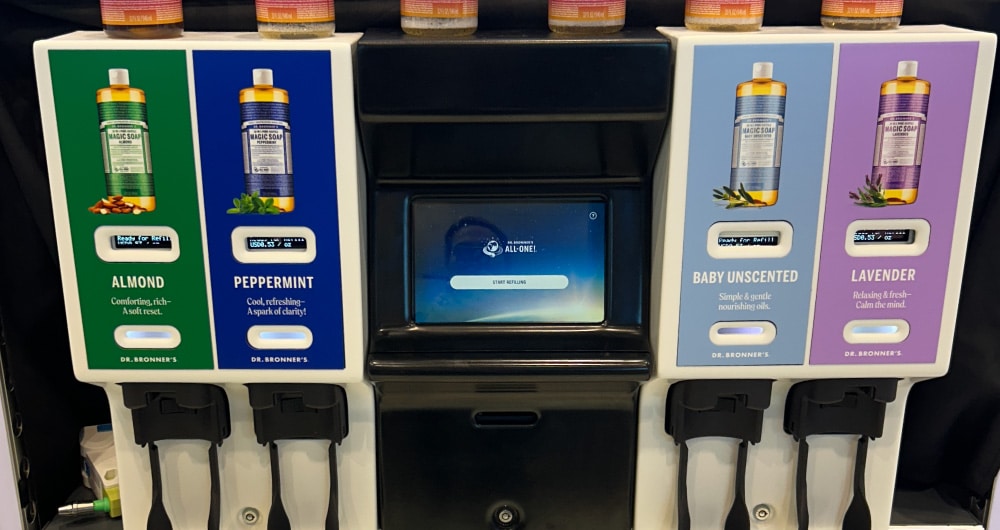
We saw some meaningful moves in the name of progress at Pack Expo. Some were easy to imagine becoming mainstream; others, less so. But all were reminders of the extraordinary number of people, decisions, and disciplines involved in bringing even the simplest package into the world. For a show so expansive, we were consistently reminded that small things still matter. Because at this scale, even the tiniest decisions can have an enormous impact.