
Your Packaging Is Saying More Than You Think
Consumers create and assign meaning to many things. As a brand, some of that is out of your control. Much of it isn’t.
When it comes to packaging, nearly everything is a choice.
Some decisions are shaped by category norms like structure or dispensing method (though you can choose to disrupt the status quo and end up re-shaping an entire shelf and a few adjacent ones, like Graza did). Others, like packaging color, material, and finish, are more flexible. These elements can be adjusted more frequently, and they have an immediate impact on how a product is perceived and what it signals to consumers.
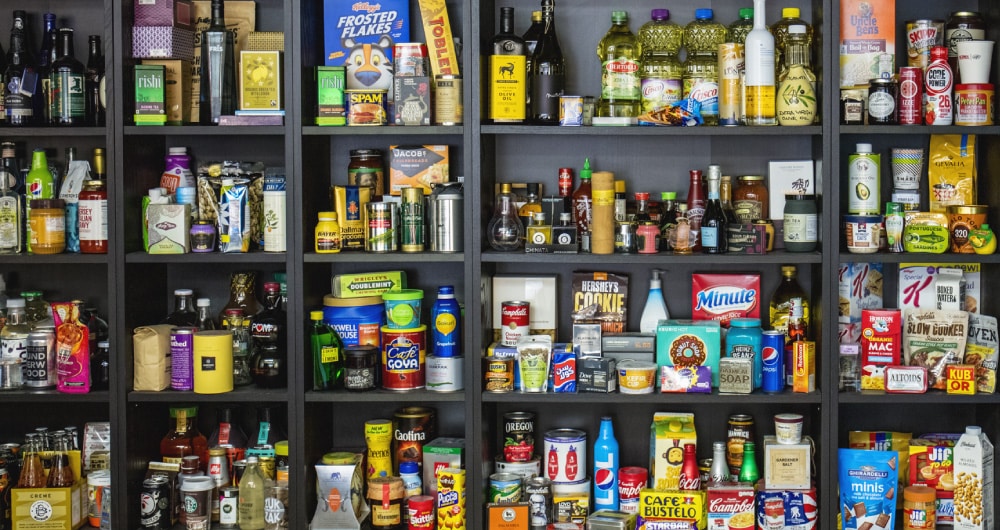
Color Communicates Before Words Do
Take color. Pastels tend to signal softness and approachability, often skewing younger and more feminine. Brands like Bloom and Saint James understand exactly who they’re speaking to. Bolder palettes can feel more energetic or value-driven. Full-flood color versus partial application, saturation, contrast—each of these decisions carries meaning, often subconsciously. A brand can feel optimistic, intelligent, youthful, or honest before a consumer ever reads a word.
Finish Signals What Words Can’t
Finish operates the same way. Matte versus gloss can signal entirely different things depending on the category. In tortilla chips, matte packaging has increasingly become shorthand for handmade, rustic, and authentic. Tostitos’ recent transition to matte bags is a move that resembles many craft competitors. For a consumer, that subtle cue can be the difference between “this fits me” and “this doesn’t.”
Material Carries Brand Truth
Material is a brand truth-teller, too. We don’t want our “healthy” beverages in plastic, but a paper pouch for sugar-free candy can feel more virtuous. In a world shaped by evolving sustainability expectations and EPR, material choices carry both functional and perceptual weight. For new brands especially, choosing the wrong material can unintentionally send the wrong message about your brand out of the gate.
These signals aren’t accidental. They’re designed. And they directly influence how consumers interpret, trust, and choose brands.
How Kaleidoscope Approaches CMF
CMF decisions are nuanced and multi-faceted, and we put consumers at the heart of them. At Kaleidoscope, we help brands navigate these decisions intentionally. Through hands-on workshops, we evaluate color, material, and finish combinations—both physical and digital—to ensure the entire packaging experience delivers on the essence of the brand and connects meaningfully with the people who buy it.
Because when every detail is shaping perception, nothing can be left to chance.

Sr. Director, Growth & Strategy
April 6, 2026
With over 20 years of experience in brand strategy and communications, Melissa approaches projects with energy and a passion for consumer insights. Drawing on a diverse background including writing, portfolio architecture, content creation, and brand activation, Melissa brings a unique combination of strategic leadership, creative inspiration, and solution-driven thinking to any challenge.
More Insights

What Expo West 2026 Told Us About the Future of CPG Packaging
The Expo West floor always signals where CPG is headed next. This year, Kaleidoscope’s team saw function invading indulgence, supplements adopting CPG design language, and brand identity becoming the real differentiator across categories.

How to Win at Tradeshows Before You Even Arrive
A winning tradeshow starts long before you reach the convention floor. From custom packaging prototypes that stop foot traffic to influencer kits that build buzz before the doors open, Kaleidoscope shares the prep work that separates memorable booths from forgettable ones.
The Summer of Candy Salad Is Upon Us
The Summer of Candy Salad is Upon Us Ah, summer. It’s a sweet, simple time of togetherness, full of wet swimsuits and sunscreen, campfires and fireflies, s’mores and hot dogs. Unless you work in CPG. Then it’s a full-on race to sell more of the...