August 25, 2026
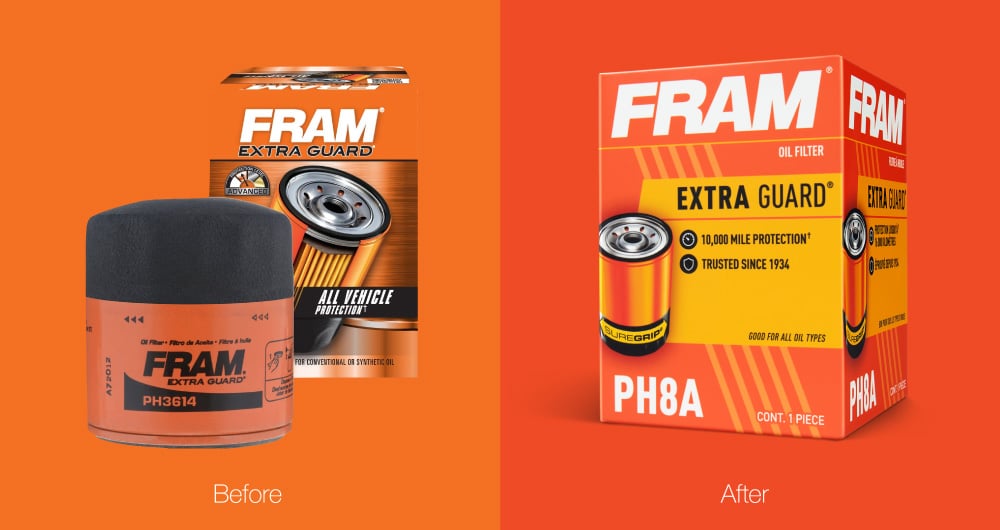
Packaging redesign discourse has gotten a little ~heated~ lately. While there may be plenty to debate about certain redesigns, there’s a bigger conversation worth having: what actually makes a packaging redesign successful?
The DIELINE recently published an excellent piece on the subject, quoting respected industry leaders and capturing much of what many of us have been thinking. To paraphrase their insightful reporting, our industry has some reflecting to do.
Brand redesigns take a lot of heat, but packaging changes seem particularly controversial. We’re not going to wade into the why here. We’d rather talk about the how behind design strategy, because one thing we can promise is that no packaging design—restage, refresh, or otherwise—that leaves our studio is ever undertaken lightly.
Evolving packaging without losing the essence of what people love about a brand, or what they need to know about the product inside, is an art and a skill that takes years to develop. Scaling a design system, modernizing responsibly, and creating change that delights consumers rather than alienating them are serious tasks.
It’s why packaging design is a specialized field, not a generalized one. It’s why disruption isn’t necessarily about blowing up a category from the outside, but knowing it well enough to innovate it from the inside.
At Kaleidoscope, we’ve built our 30-year reputation on translating strategy and design into sensory storytelling through packaging. And we do it guided by three principles:
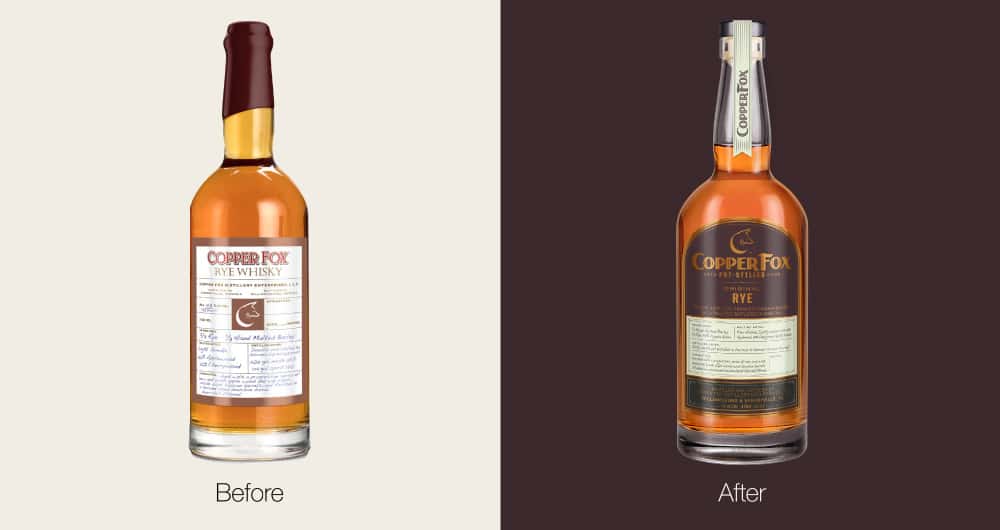
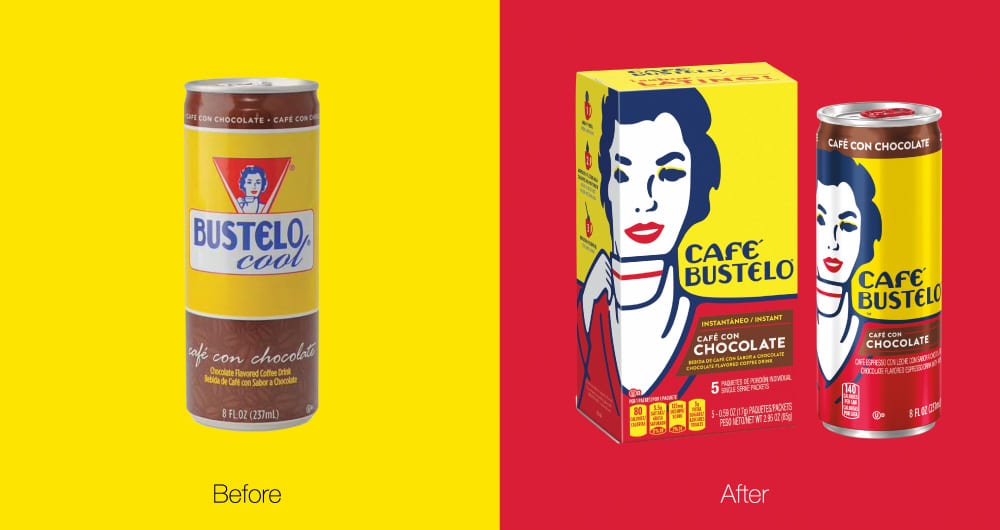
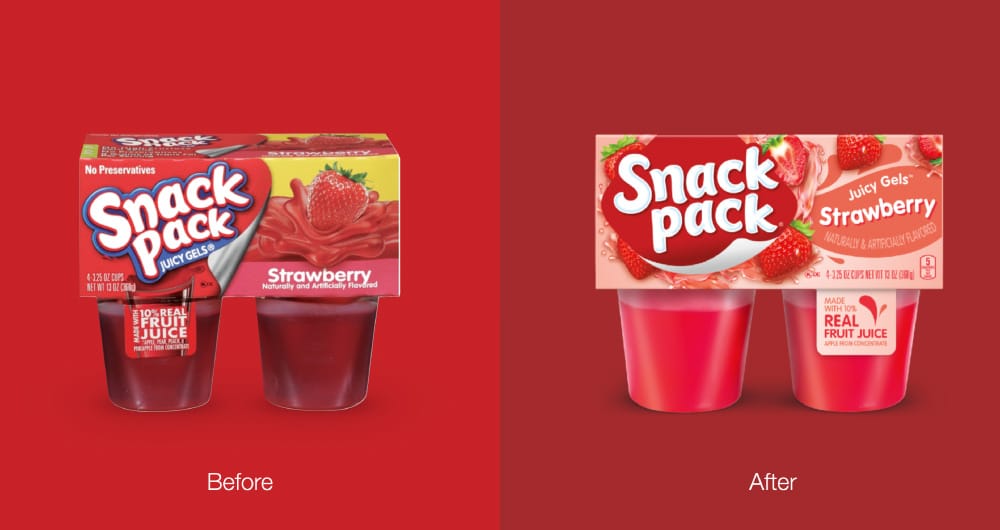
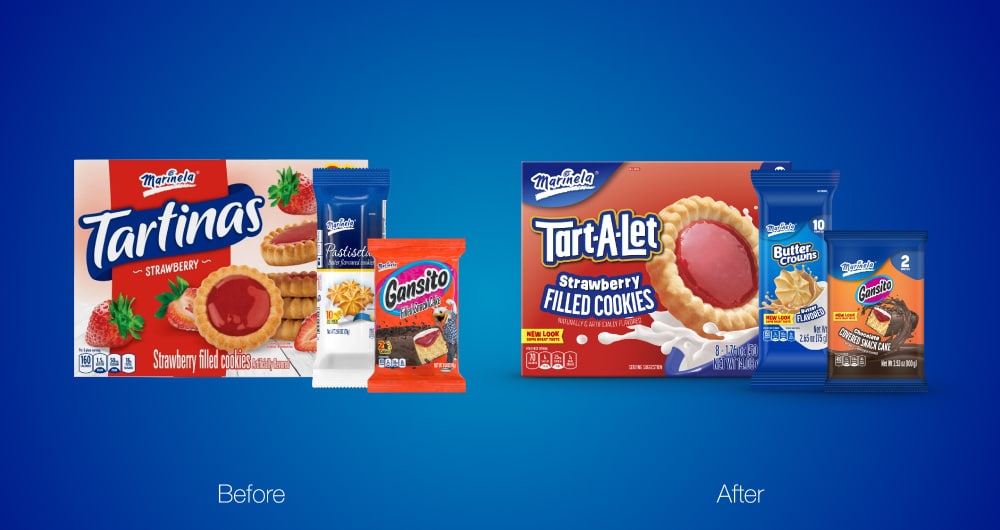
1. Built to Last
Trends come and go, but brand equity shouldn’t. When it’s time to redesign, we rely on research, strategy, iteration, instinct, and refinement to understand what can change and what can’t. The goal isn’t simply a new package, it’s a stronger design system built for what comes next.
2. Made to Sell
Beautiful packaging that doesn’t sell isn’t brave. It’s irresponsible. We respect our clients and consumers too much to pretend pretty design is the final answer. The best creative earns its place in the aisle, in consumers’ hands, and in their carts. It gets noticed for the right reasons, communicates what matters, and ultimately does its job.
3. Made to Be Held
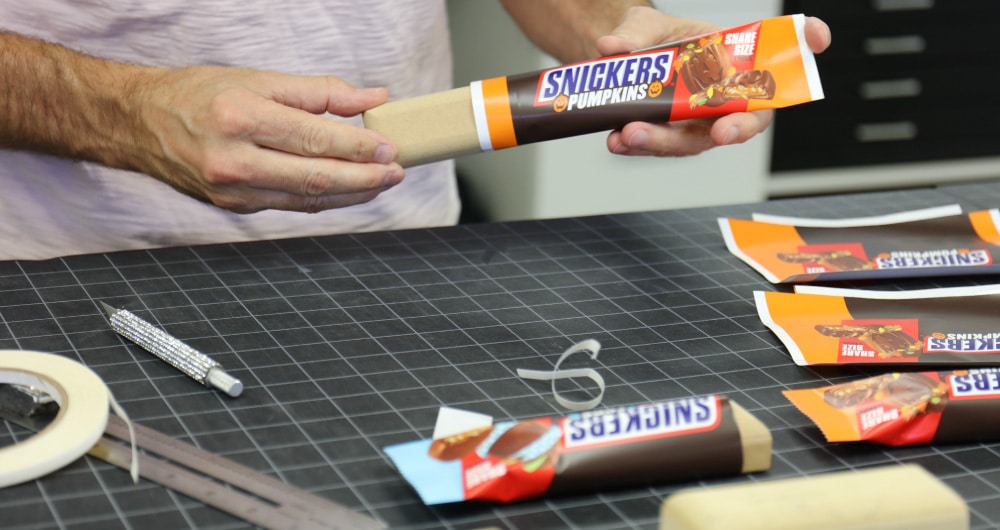
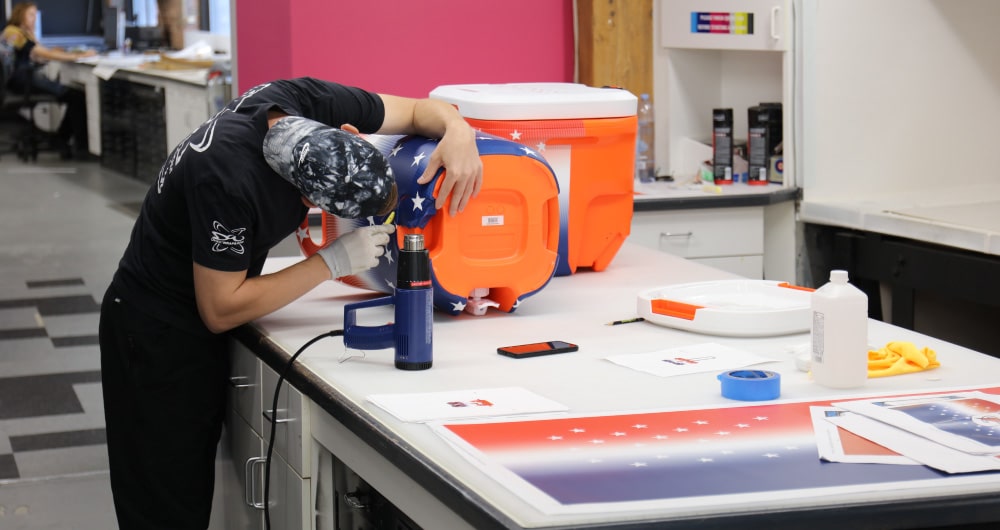
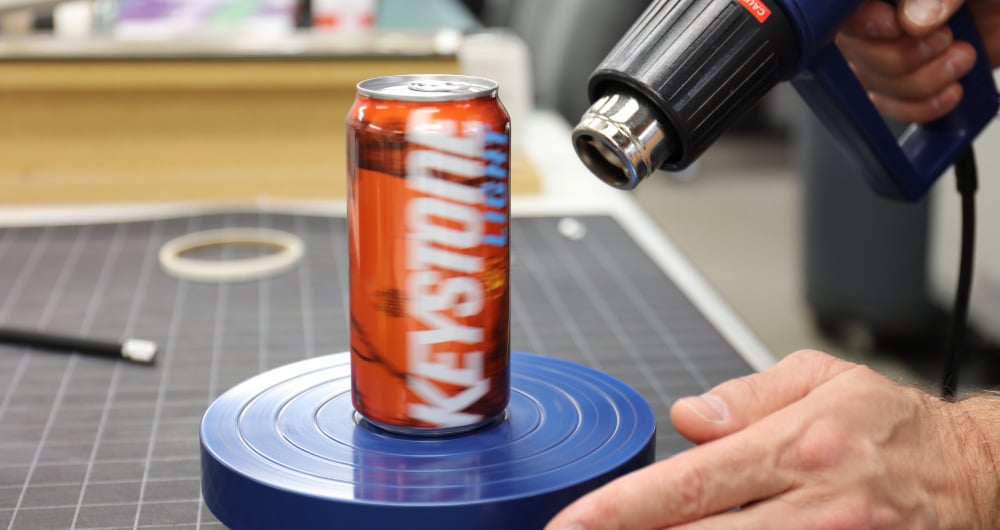
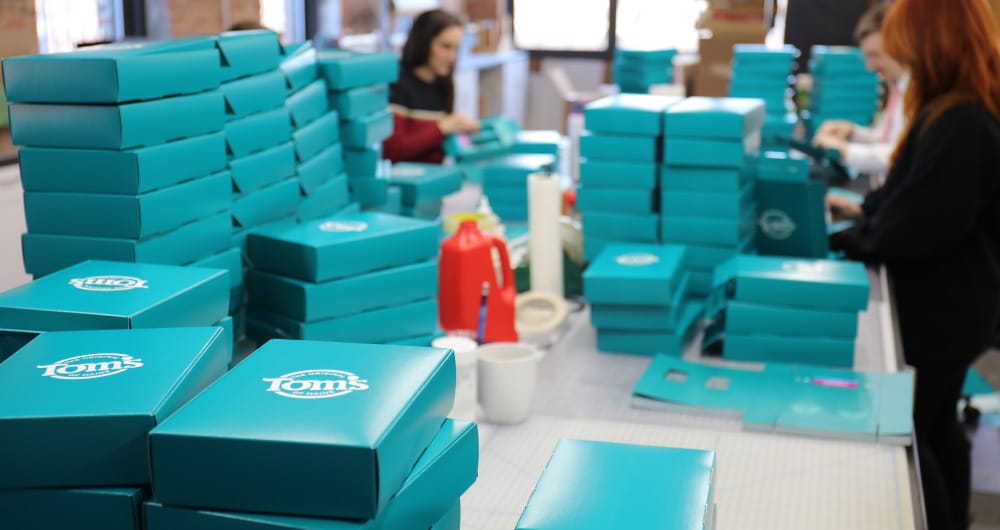
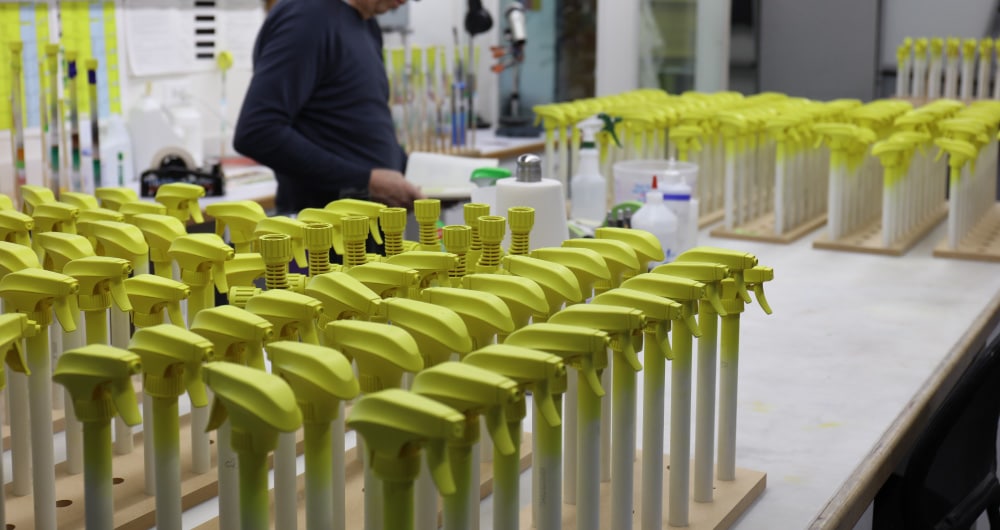
Packaging isn’t a post, it’s a physical experience. It lives under retail lighting and competes from six feet away. It gets picked up, turned around, opened, poured, squeezed, stored, and used. Color shifts by substrate. Materials and finishes change perception. Structure changes experience.
That’s why we’re deeply interested in how a package feels and functions in addition to how it looks. It’s why we prototype and evaluate design in the real world. And it’s why no redesign can be fully understood from a rendering in a LinkedIn feed.
The Real Standard for Packaging Redesigns
The great redesign debates probably won’t stop anytime soon. People care about brands, and when familiar things change, they react. Yet CPG brands will always need to evolve to reach new consumers, communicate new formulations, improve structures for sustainability or product integrity, respond to changing retail environments, or remain relevant to the world around them.
But the heart of so many LinkedIn arguments isn’t about the need to evolve. It’s about evolving responsibly.
Packaging design agencies must know what the brand means, what consumers need, what has earned the right to stay on pack, and what needs to change. Then they have to test it in the real world, sweating the details you can’t see on a screen.
That’s how you make something worth holding on to. No matter what people say in the comments.